


Contact us
Your License. Our Fight.
Get a free initial consultation for your traffic, criminal, and personal injury matters.


Sometimes a traffic bench warrant can be recalled or addressed through an attorney without the driver being taken into custody, but that outcome is never guaranteed. Whether it’s possible depends on the court, the underlying charge, the type of warrant, and your history of missed appearances. The safest approach is to confirm the warrant exists, identify the case behind it, and work with counsel to address it before an unplanned traffic stop does it for you.
Our bench warrant defense attorneys help drivers across Florida address traffic warrants and the cases behind them, from our offices in Tampa and Hollywood. We handle the process from start to finish so you know exactly where you stand.
Contact Florida Ticket Firm at (813) 276-6000 for a free consultation.
Not every missed traffic obligation produces a warrant. A missed deadline on a civil infraction, such as a speeding or red light ticket, usually leads to a license suspension rather than a warrant. Bench warrants are more common in criminal traffic cases, such as driving while license suspended, reckless driving, or driving without a valid license, where a judge orders you to appear and you don’t.
To confirm whether a warrant exists, check the official court records maintained by the clerk of court in the county where you received the citation, or ask an attorney to check for you. Many clerks offer online case searches, and the county sheriff’s office may also list active warrants. Avoid relying on third-party background check websites, which are often outdated or incomplete.
Our guide on how to know if you have a bench warrant in Florida explains these options in more detail.
Before anyone can evaluate your options, you’ll need:
A bench warrant and a license suspension are often two separate problems. Under Florida Statute § 318.15, if you miss a hearing or fail to pay a civil traffic penalty on time, the clerk must notify the Department of Highway Safety and Motor Vehicles (DHSMV) within 10 days, and DHSMV must issue a suspension order that takes effect 20 days after it’s provided.
For criminal traffic cases, Florida Statute § 322.245 requires the clerk to send a notice giving you 30 days to comply with the court’s directives and pay a delinquency fee of up to $25 before the suspension process begins. Driving after your license has been suspended can create a new criminal charge, which can complicate the original case and the warrant.
An attorney can often take the first step toward resolving a warrant on your behalf. Depending on local practice, a lawyer may file a motion to recall or quash the warrant, contact the court to request a new hearing date, or arrange a scheduled appearance so you can address the warrant on your terms rather than through an arrest. Some courts handle these requests on paper, while others require a hearing. An attorney familiar with the county’s procedures can tell you which approach is realistic for your case.
Only the judge can lift a bench warrant. The court considers why you missed your appearance, whether you’ve missed court before, your compliance with prior orders, and the seriousness of the underlying charge. Even when a judge agrees to recall the warrant, the court may require you to post a bond or appear in person. A prompt, well-documented explanation for the missed date can make a meaningful difference.
Clearing the warrant doesn’t end the case that caused it. You’ll still need to address the underlying obligation, which may include paying fines and court costs, defending a criminal traffic allegation, attending a rescheduled hearing, completing traffic school, or providing proof of compliance, such as proof of insurance or a valid license. For civil infractions, § 318.15 allows you to request a hearing within 180 days of the violation, even if your license has already been suspended.
Resolving the original case fully is what prevents a new warrant or suspension down the road. Our criminal traffic violations and traffic ticket defense pages cover the most common underlying charges.
Resolving the court case doesn’t necessarily restore your driving privileges right away. Under § 318.15, a license suspended for failing to pay or appear on a civil infraction can’t be reinstated until you comply with the court’s requirements, obtain a certificate of compliance, and pay a $60 service charge. Under § 322.245, a suspension tied to a criminal traffic case stays in place until you comply with all court directives, pay the delinquency fee, and present certification of compliance.
Other holds, such as insurance-related suspensions, may require separate steps. Check the FLHSMV suspensions and revocations resources and confirm your status before driving.
Before assuming the matter is closed, get written proof. Request a copy of the court order recalling the warrant and any documents showing the case was resolved. Check the clerk’s records again to confirm the warrant is no longer active, since updates don’t always appear immediately. Then confirm your license status with DHSMV. Keep copies of everything in case a records error shows up during a future traffic stop.
Some warrants can’t be resolved without an in-person appearance or a voluntary surrender. This is more likely when the underlying charge is serious, such as a DUI or a charge involving an accident with injuries, when the warrant was issued for violating bond conditions or probation, or when you’ve missed court multiple times.
Some judges also issue warrants with specific instructions about how they must be addressed. In these situations, coordinating with an attorney before you appear can help you prepare for bond, present your explanation, and avoid surprises.
Florida Ticket Firm’s attorneys have handled more than one million traffic tickets across the state, and we know how traffic courts and clerks in different counties handle warrants and missed appearances. We check your records, identify the case behind the warrant, work with the court on recall options, and help you resolve both the underlying charge and any license suspension. Our bilingual team serves clients in English and Spanish from our offices in Tampa and Hollywood.
No attorney can guarantee you’ll avoid arrest, but acting quickly gives you the most options. Contact Florida Ticket Firm at (813) 276-6000 to discuss your options.
Sometimes. In some counties, an attorney can file a motion to recall the warrant or schedule a new hearing without requiring you to appear first. However, the judge and local rules control the process, and some courts require an in-person appearance or bond before lifting a warrant.
No. A license suspension is handled by DHSMV, separately from the court. You may need a certificate of compliance from the court, payment of a reinstatement or service fee, and other steps before your driving privileges are restored.
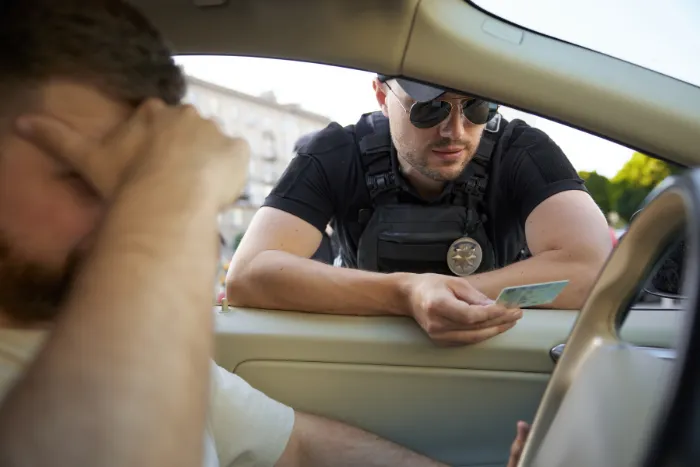
An active warrant can lead to detention or arrest during any traffic stop or other contact with law enforcement. If you believe you have a warrant, get legal advice before driving or appearing at the courthouse so you can address it in a planned way.