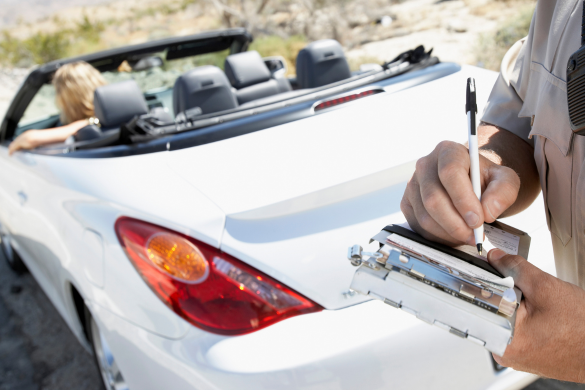
Not every speeding ticket is treated the same in Florida. As the alleged speed increases, so do the potential consequences. Drivers accused of traveling more than 20 mph above the posted speed limit often face larger fines, additional points, and greater scrutiny from the court. At even higher speeds, a routine traffic stop may lead to mandatory court appearances or criminal charges instead of an ordinary citation.
Florida Ticket Firm represents drivers throughout Pinellas County who have been cited for excessive speeding. Whether you were stopped in St. Petersburg, Clearwater, Largo, or while traveling on US-19, I-275, Gulf to Bay Boulevard, or another roadway, our attorneys can review the citation and explain your legal options before you decide how to respond.
What Is Considered Excessive Speeding in Florida?
Florida law increases the penalties for speeding as the alleged speed increases, but there is no separate criminal statute simply called “excessive speeding.” Instead, higher speeds generally result in steeper fines and additional consequences, while the surrounding circumstances may determine whether prosecutors pursue more serious charges.
A driver traveling 22 mph over the speed limit may face a much different outcome than someone accused of driving 50 mph over. Factors such as traffic conditions, roadway design, nearby vehicles, and the officer’s observations often influence how the case is handled. In some situations, excessive speed may become the basis for a reckless driving charge rather than a standard speeding citation.
What Happens if You Get a Speeding Ticket for More Than 20 MPH Over?
One of the most common questions drivers ask is whether driving more than 20 mph over the speed limit is considered a criminal offense. In most situations, the answer is no. The citation is generally handled as a civil traffic violation, although the penalties are significantly greater than those for lower-speed violations.
A conviction may result in increased fines, additional points on your Florida driver’s license, and higher insurance premiums. For commercial drivers or anyone who depends on a clean driving record for work, those consequences may extend well beyond the cost of the ticket.
Paying the citation is often viewed as the quickest solution, but it is also treated as an admission of the violation. Before making that decision, it is often worthwhile to determine whether the citation, the method used to measure speed, or the facts surrounding the traffic stop raise legal issues that deserve closer review.
What if I Was Driving 50 MPH Over the Speed Limit?
Allegations involving speeds of 50 mph or more are treated much more seriously under Florida law. These cases frequently require a mandatory court appearance and expose drivers to substantially greater financial penalties than ordinary speeding tickets.
Very high speeds also increase the likelihood that law enforcement will consider additional charges. If an officer believes the driver’s actions created a danger to other motorists, prosecutors may pursue reckless driving or other criminal allegations in addition to the speeding citation. The final charge depends on the entire incident, not simply the speed recorded on the citation.
Can Excessive Speeding Become a Criminal Charge?
Many drivers are surprised to learn that speeding alone does not automatically make a case criminal. Florida does not establish a specific speed where every driver is charged with reckless driving. Instead, officers evaluate the driver’s overall conduct and determine whether the circumstances justify filing a criminal offense.
Heavy traffic, aggressive lane changes, racing another vehicle, ignoring traffic control devices, or creating an unreasonable risk to others may all contribute to a reckless driving allegation. Two drivers traveling at nearly the same speed may receive very different citations depending on how the officer believes each vehicle was being operated.
If you’ve been charged with reckless driving rather than speeding alone, you may also want to learn more about our Reckless Driving Defense page.
How Is Speed Measured?
The speed listed on a citation is only one piece of the evidence. Officers may rely on radar, lidar, pacing, or visual observations depending on the circumstances of the traffic stop. Each method has its own procedures and limitations, and those details sometimes become important when evaluating the strength of the case.
Other evidence may include dash camera video, body camera footage, witness statements, and the officer’s written report. Looking at all of the available evidence often provides a clearer understanding of what occurred than relying on the citation alone.
Why Drivers Fight Excessive Speeding Tickets
For some drivers, the fine is only a small part of the problem. Insurance premiums, points on a driver’s license, commercial driving requirements, and future traffic cases may all be affected by a speeding conviction. A single citation can also contribute to license suspension if enough points accumulate over time.
Every case deserves an individual review because the long-term consequences are rarely the same for every driver. Before deciding whether to pay the ticket or challenge the allegations, it is important to understand how the outcome could affect your driving record in the future.
Speak With a Pinellas County Excessive Speeding Lawyer
An excessive speeding citation can carry consequences that extend well beyond the initial fine. If you’ve been cited for driving more than 20 mph over the speed limit, accused of traveling 50 mph or more above the posted limit, or required to appear in court for a serious speeding violation in Pinellas County, Florida Ticket Firm is ready to help. Contact our office today to discuss your case and learn about the legal options available to protect your driving record.