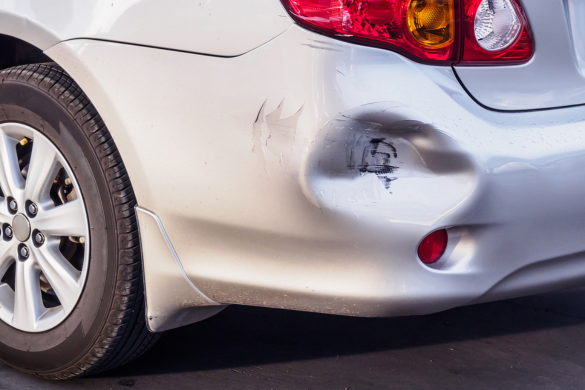
Few traffic-related offenses create as much anxiety as being accused of leaving the scene of an accident. Many people immediately assume they’re going to jail, while others aren’t even aware they’re under investigation until a police officer or detective contacts them days later. Regardless of how the allegation arises, leaving the scene of an accident is treated as a criminal offense under Florida law and should never be handled like an ordinary traffic ticket.
At Florida Ticket Firm, we represent drivers throughout Tampa and Hillsborough County who have been charged with leaving the scene of an accident, often referred to as hit and run. Whether the accident involved another vehicle, a parked car, property damage, or personal injury, our attorneys can review the evidence, explain the charges, and help you understand what comes next before the situation becomes more complicated.
What Is Considered Leaving the Scene of an Accident in Florida?
Florida law requires drivers involved in an accident to stop, remain at the scene when required, and exchange information with the other parties involved. Depending on the circumstances, drivers may also be required to provide reasonable assistance if someone has been injured. Failing to meet those obligations can result in criminal charges, even when the accident itself was relatively minor.
Not every leaving the scene case involves a major collision. Some allegations involve striking a parked vehicle in a parking lot, damaging private property, or leaving after a low-speed accident without exchanging information. Other cases involve crashes that result in injuries, where the penalties become substantially more serious. The facts surrounding the accident often determine both the level of the charge and the potential consequences.
I Didn’t Know I Hit Another Vehicle. Can I Still Be Charged?
This is one of the most common questions people ask after learning they’re under investigation. The answer depends on the specific facts of the case because prosecutors must prove more than the fact that an accident occurred. They must also establish the legal elements required under Florida law, including whether the driver knew or reasonably should have known that a crash had taken place.
That issue frequently becomes a point of dispute in leaving the scene cases. A minor impact, limited vehicle damage, heavy traffic, or other surrounding circumstances may affect what a driver perceived at the time of the incident. Every investigation is different, which is why the evidence should be carefully reviewed before assumptions are made about what can or cannot be proven.
The Police Contacted Me After an Accident. What Should I Expect?
Many leaving the scene investigations begin long after the accident itself. An officer may call asking questions about your vehicle, request that you come to the station, or ask if they can inspect your car. In other situations, detectives may already have surveillance footage, witness statements, or a reported license plate before making contact.
Receiving that phone call does not automatically mean you’ve been charged with a crime, but it usually means law enforcement is attempting to gather additional evidence. Before providing statements or answering detailed questions about the accident, it’s often beneficial to understand why officers are contacting you and what information they are trying to obtain.
Penalties for Leaving the Scene of an Accident
The penalties for leaving the scene vary significantly depending on whether the accident involved only property damage or resulted in injuries. As the severity of the accident increases, so do the potential criminal consequences.
| Type of Accident |
Potential Consequences |
| Property damage |
Criminal charges, fines, driver’s license consequences |
| Accident involving injury |
More serious criminal penalties and possible jail time |
| Serious bodily injury |
Felony charges and enhanced penalties |
| Fatal accident |
The most severe criminal consequences under Florida law |
A conviction may also affect your insurance rates, driving record, employment opportunities, and professional licenses. Because these consequences often extend well beyond the courtroom, it’s important to evaluate the allegations carefully before deciding how to proceed.
How Do Police Investigate Hit and Run Cases?
Modern hit and run investigations rely on much more than eyewitness testimony. Law enforcement often pieces together evidence from multiple sources in an effort to identify both the vehicle and the driver involved in the accident.
Investigators may review surveillance video from nearby businesses, traffic cameras, residential security systems, license plate reader technology, photographs taken at the scene, vehicle debris, repair records, and statements from witnesses. As more intersections and businesses install high-definition cameras, investigators have access to evidence that may not have been available only a few years ago. Because these investigations often develop over several days or weeks, drivers are sometimes contacted long after they assumed the incident was over.
Building a Defense to a Leaving the Scene Charge
Every leaving the scene case presents different legal and factual issues. Some cases focus on whether the prosecution can identify the driver beyond a reasonable doubt. Others involve questions about whether the driver knew an accident had occurred, whether the required legal duties applied under the circumstances, or whether the available evidence actually supports the allegations.
Rather than assuming the police report tells the entire story, our attorneys review the available evidence, examine witness statements, evaluate video footage when available, and identify inconsistencies that may affect the strength of the prosecution’s case. That process allows us to develop a defense strategy based on the facts rather than assumptions.
Why Drivers Throughout Hillsborough County Choose Florida Ticket Firm
Criminal traffic law is the primary focus of our practice. We regularly represent drivers throughout Tampa and Hillsborough County who are facing serious traffic-related charges, including leaving the scene of an accident, reckless driving, driving with a suspended license, and other criminal traffic offenses. Our goal is to provide straightforward legal guidance, protect your rights throughout the process, and pursue the best possible outcome based on the unique facts of your case.
Frequently Asked Questions
I left the scene because I panicked. Can I still be charged?
Yes. Panic is a common reaction after an accident, but it does not automatically prevent criminal charges. The facts surrounding the incident and the actions taken afterward will often play an important role in the case.
Can I be charged if I didn’t know I hit another vehicle?
Possibly. Whether prosecutors can prove that you knew or reasonably should have known about the accident depends on the specific facts and evidence available in your case.
What happens if someone reported my license plate?
Law enforcement may use the reported license plate to identify the registered owner of the vehicle and continue the investigation. That does not automatically establish who was driving at the time of the accident.
Should I speak with the police if they contact me?
Every situation is different. Before providing statements about a hit and run investigation, it’s often beneficial to understand the nature of the allegations and the evidence law enforcement has already gathered.
Is leaving the scene of an accident always a felony?
No. The level of the charge depends on the circumstances of the accident, including whether it involved only property damage or resulted in injuries or death.
Talk With a Hillsborough County Hit and Run Lawyer
A leaving the scene charge can have consequences that extend far beyond the accident itself. Criminal penalties, license consequences, increased insurance costs, and a permanent record may all be at stake. If you’ve been charged with leaving the scene of an accident or law enforcement has contacted you about a hit and run investigation in Hillsborough County, contact Florida Ticket Firm today to discuss your options and learn how our attorneys can help protect your future.